From Scraps to Skin: Kitchen Alchemy That Works
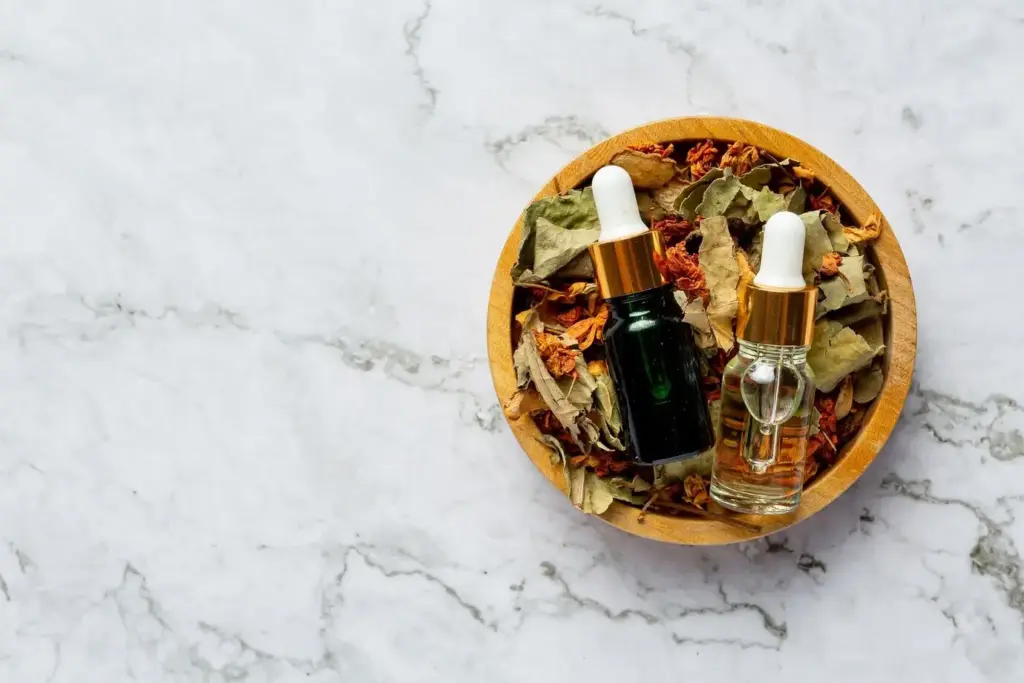
Today we explore upcycling kitchen botanicals for skincare, turning food scraps into effective topicals through evidence-informed methods, joyful experiments, and calm, careful practice. Expect practical recipes, safety guardrails, and surprising wins using peels, stems, and brews you already have, so your routine becomes lighter on waste yet richer in glow and intention.

Why Leftovers Can Love Your Skin

Plants concentrate molecules that defend leaves and fruits, and many persist in our peels, pulp, and spent brews. Coffee grounds hold antioxidants and caffeine, tea leaves brim with polyphenols, and citrus zest carries aromatic compounds. By pairing the right solvent, time, and temperature, you can coax gentle benefits without fancy equipment, transforming overlooked leftovers into soothing, brightening, or softening helpers that complement, not replace, a balanced routine and professional care.
Coffee’s chlorogenic acids, caffeine, and trigonelline can visibly energize dull-looking skin when used thoughtfully, while green and black tea leaves deliver catechins that help counter oxidative stress. Blend spent grounds or leaves with creamy bases, keep granules ultra-fine, and let time, not force, perform the polish to protect your barrier.
Citrus peels contain citric acid and fragrant limonene, and pineapple cores hold bromelain; both can brighten when sufficiently diluted and timed cautiously. Respect sensitivity, avoid broken skin, and never combine multiple exfoliating steps. Sunscreen becomes essential afterward, because even mild acids can temporarily heighten photosensitivity in everyday daylight conditions.

Safety First, Always

Kitchen ingredients feel familiar, yet skin safety demands rigor. Work clean, dry botanicals thoroughly, and distrust anything that smells off. Water-based mixes spoil fast; refrigeration and tiny batches are your friends. Learn basic pH behavior, because baking soda disrupts the acid mantle, while diluted vinegar, teas, or glycerin-based preparations tend to stay kinder when measured, labeled, and used within conservative timelines supported by your senses and common sense.

Clean Handling, Small Batches, Cold Storage

Sanitize jars, spoons, grinders, and your hands; use distilled water when possible; and dry peels and stems before oil infusions to reduce water activity. Prepare only what you’ll finish in a week, keep lids shut, refrigerate promptly, and discard at any sign of fizzing, clouding, or unfamiliar odors.

Patch Tests, Allergens, and Listening Closely

Apply a pea-size amount inside the elbow for two days before facial use, and pause if itching, heat, or throbbing appears. Remember potential allergens like citrus, mint, cinnamon, and nut residues. If you are pregnant, nursing, or under dermatologic care, consult your clinician before experimenting with concentrated extracts.

Oil Infusions With Dried Peels and Stems
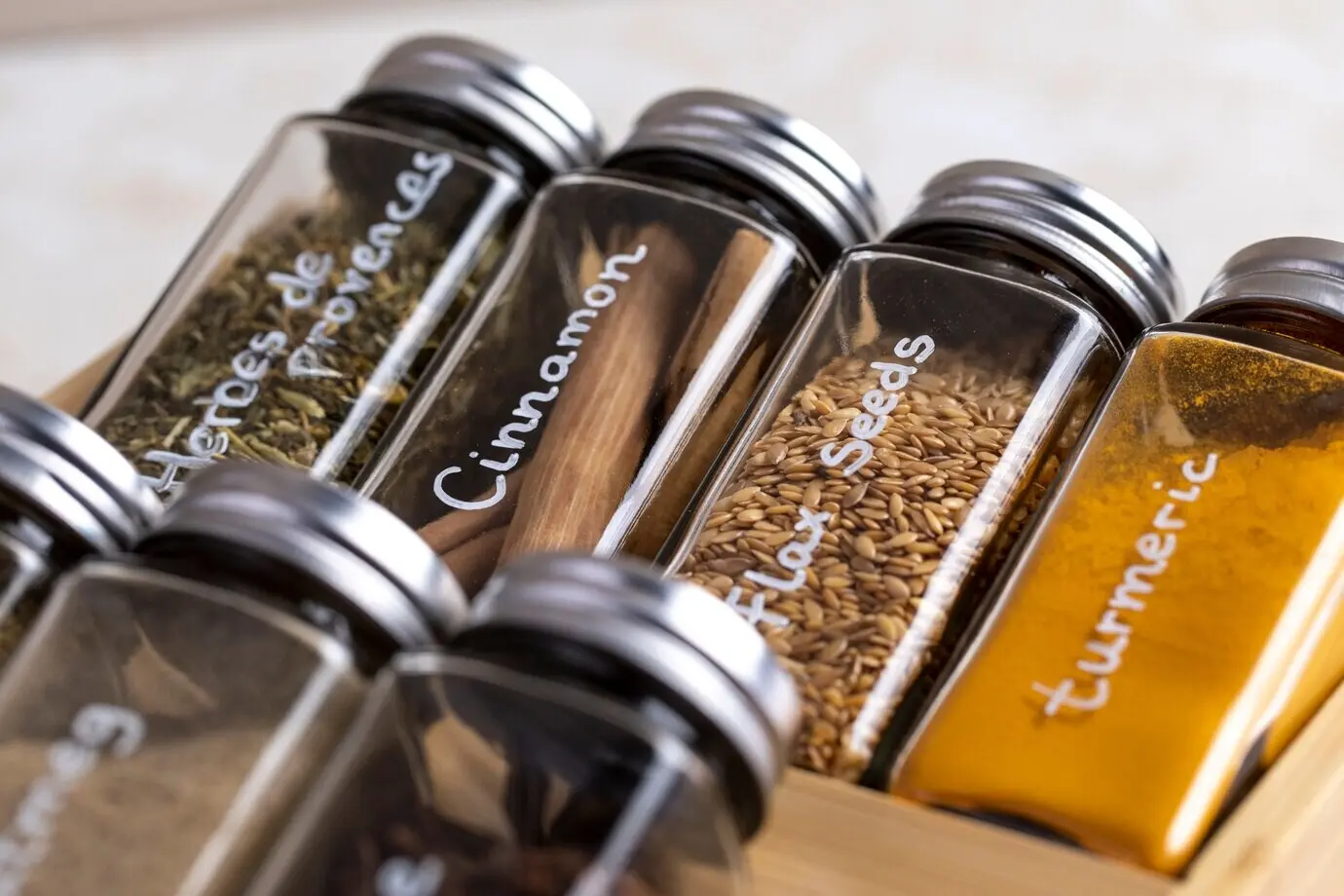
Spread peels and stems in a low oven to thoroughly dry, then cover with lightweight oils like sunflower, grapeseed, or rice bran. Steep warm for hours or at room temperature for weeks. Strain, store dark, and massage a few drops onto damp skin to seal hydration thoughtfully.

Teas, Decoctions, and Short-Lived Toners
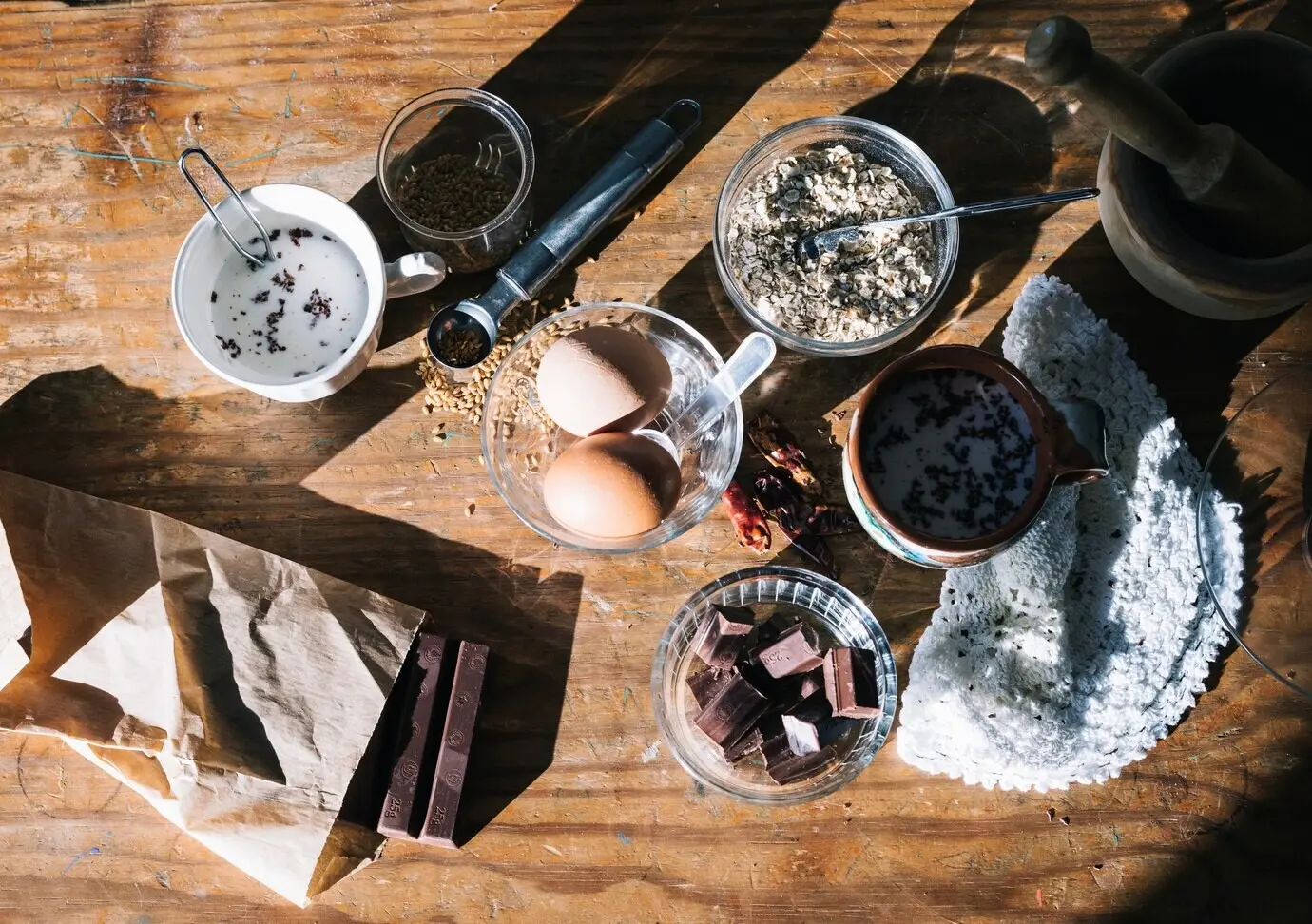
Pour freshly boiled, slightly cooled water over tea leaves, herb stems, or dried fruit peels. Steep briefly to avoid harshness, then chill and use within three days. Consider adding a tiny pinch of glycerin to soften feel, and always label date, contents, and intended area of application.

Glycerites and Vinegar Macerations at Home

Equal parts food-grade glycerin and distilled water can cradle delicate actives from tea or rose trimmings. For vinegar, submerge zest or herb stems in apple cider vinegar, then dilute heavily before skin use. These preparations feel friendly, yet still require refrigeration, patch tests, and patient, attentive observation during trials.

Pantry All-Stars Worth Saving

{{SECTION_SUBTITLE}}

Coffee Grounds and Spent Tea Leaves

Make a micro-polish by blitzing completely dried grounds or leaves into a feather-light powder, then suspending in yogurt or a cushiony oil. Massage with two fingers and minimal pressure. I learned this after over-scrubbing in college; gentleness finally cleared the tight, shiny, fragile feeling I kept chasing.

Citrus Zest and Sturdy Herb Stems

Dry thin strips of zest and woody stems until crisp, then infuse into oil or vinegar for fragrance that feels culinary and restorative at once. Avoid direct essential-oil level potency. I stash a jar labeled sunshine blend, and one dab on wrists makes chores strangely cheerful and focused.

Three Starter Formulas for Tonight

Use these approachable, low-cost ideas as starting points, then iterate with notes, patch tests, and patience. Each formula favors dilution, barrier respect, and small batches. They complement—not replace—dermatologist-guided care. Share what you try, what you tweak, and how your skin feels after one week, two weeks, and a month.

Zesty Mint Clarifying Splash

Steep a strip of dried lemon peel and a few mint stems in freshly boiled water for five minutes, then cool and strain. Add a teaspoon of glycerin to 100 milliliters, refrigerate, and use as a post-cleanse splash. Discontinue if tingling persists beyond seconds or redness lingers.

Silky Oat–Coffee Micro-Polish

Powder one teaspoon very dry coffee grounds with two teaspoons oat flour until fluffy. Blend with plain yogurt or a few drops of oil, then massage on damp skin for thirty seconds and rinse. Reserve for once weekly, and avoid if your barrier feels compromised or reactive that week.

Green Tea Glycerite Dew Drops

Combine equal parts food-grade glycerin and distilled water, warm gently, then stir in a spoon of crushed, dried green tea leaves. Steep cool overnight, strain meticulously, and tap two drops into damp skin under a cream. Patch test carefully and refrigerate, using within four weeks for best freshness.

Sustainable Rituals and Community Energy
Reducing waste becomes easier when it feels like ritual, not punishment. Choose one cupboard shelf for clean jars, schedule a tiny weekly infusion session, and celebrate small wins. Invite family to contribute peels and stems, label everything proudly, and savor how mindful reuse echoes into cooking, budgeting, and self-care.
Xineruvovevuvapuki
Privacy Overview

This website uses cookies so that we can provide you with the best user experience possible. Cookie information is stored in your browser and performs functions such as recognising you when you return to our website and helping our team to understand which sections of the website you find most interesting and useful.